
Total subsidy bill could come down to around Rs 2 trillion.
A collapse in global oil prices has unleashed a wave of monetary easing.

FM is seen to step up the pace of sales of state assets and curb spending

Budget is widely seen as a test of Prime Minister Narendra Modi.
India's imports from Iran rose to 250,200 barrels per day
India's Iran imports rise to 276,800 bpd vs 195,600 bpd in 2013.
India's industrial output unexpectedly contracted 4.2 percent year-on-year in October, dragged down by a fall in the manufacturing and the capital goods sector, government data showed on Friday.
The government holds stakes ranging from 56% to 84% in 27 state-run banks.

Official GDP data for the second quarter of the current fiscal year ending March are due to for release this Friday.

In a speech, Jaitley said that while he expected to hit targeted levels for direct taxes, reaching the goal for indirect taxes would be a "challenge".

Road projects alone worth $10 billion face delays over land disputes and other clearances.
October shipments to India, the world's No.2 gold consumer behind China, jumped to about 150 tonnes from less than 25 tonnes a year earlier and 143 tonnes in September, a finance ministry official said last week.

India and the United States settled a dispute on Thursday that had paralysed the World Trade Organization and risked derailing a $1 trillion package of reforms.
Officials say a fall in global oil prices will reduce the government's subsidy burden, giving it a greater chance of hitting its ambitious fiscal deficit target of 4.1 percent of gross domestic product in the fiscal year to March.
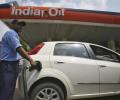
Diesel makes up nearly half of fuel demand in Asia's No 3 economy.
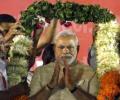
BJP's success in two state elections gave Modi room to cut through a thicket of regulations and state controls.
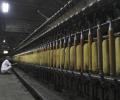
British India Corporation employs about 1,800 people
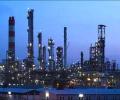
These refineries, commissioned mostly in the 1950s and 1960s during India's early industrialisation push, are inefficient and costly to maintain compared to their modern counterparts on the coast mainly operated by private companies.

Lower crude prices mean less government outlay for India,
 © 2026 Rediff.com - Investor Information - Advertise with us - Disclaimer - Privacy Policy - Sitemap - Feedback - About us - Terms of use - Grievances